Introduction
Satanism is a non-theistic philosophy that rejects mainstream religious dogma and superstition in favor of knowledge and reason. It embraces human instincts that traditional religions often label as "sinful," recognizing that chasing unrealistic spiritual dreams often just creates more suffering. Because death can arrive without an invitation or announcement—faster than the changing of spring, summer, or winter—Satanism focuses entirely on the life you have right now.
Worshipping the Self
Satanism does not mean worshipping a literal devil, practicing cruelty, or appeasing demons. Instead, it places the individual at the center. Your body is your temple, and you are your own god. The core goal is self-preservation: doing whatever it takes to improve your physical health, mental health, and overall well-being.
The Symbols: Baphomet and the Pentagram
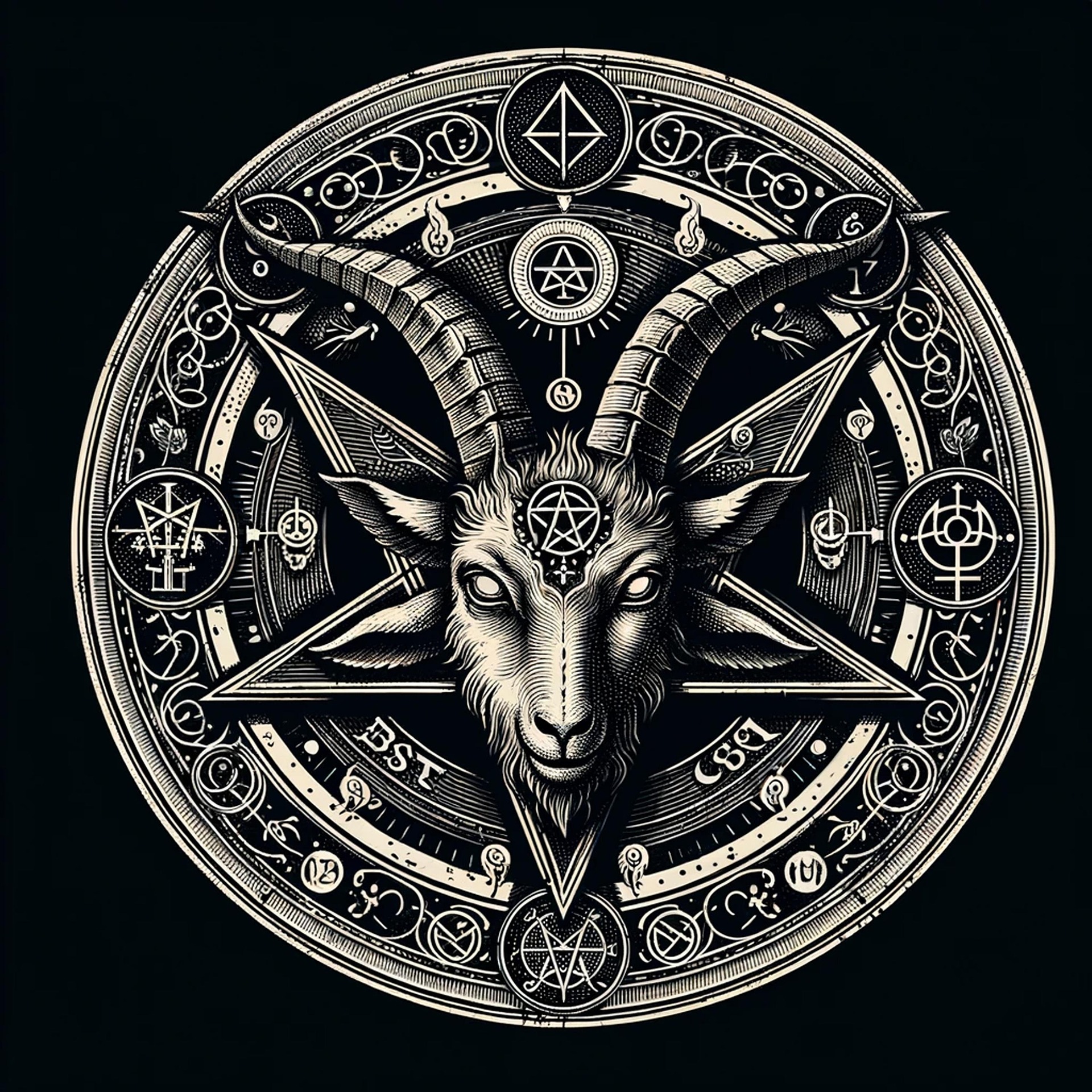
Satanism is commonly represented by Baphomet (a goat-headed figure) and the inverted pentagram (a five-pointed star). Rather than representing evil, these symbols stand for earthly freedom, balance, and independence—breaking free from the illusions created by thousands of traditional gods.
A Fun Fact About "Satan" and Religion
Historically, the idea of Satan has been the ultimate business strategy for organized churches. By creating a terrifying enemy, institutions could sell hope, protection, and salvation in exchange for money and obedience. Satanism flips this dynamic: it doesn't ask for your donations to save your soul. It argues that your heart, your feelings, and your actual life matter infinitely more than buying approval from an institution.
What Satanism Stands For
Rather than blind obedience, Satanism is built on personal responsibility, critical thinking, and enjoying life without guilt. Its core values come down to a few uncompromising principles:
- Bodily Autonomy and Independence: Your body is sacred and belongs solely to you—and the freedom of others is just as non-negotiable.
- Science Over Superstition: Trust evidence, pursue knowledge, and challenge long-held beliefs rather than relying on blind faith.
- Healthy Indulgence: Embrace human desires, live hard, and improve constantly without waiting for the promise of a false afterlife.
- Earned Respect: Give your time and respect to those who actually deserve it, rather than wasting energy on parasites.
- Respect for Nature: We are still animals at our core; protecting the environment isn't just a moral choice, it is survival.
- Accountability and "Good Trouble": Own your mistakes, fix the damage you cause, and never fear standing up against tyranny—especially when it hides behind religious authority.
What Satanism Rejects
Just as important as what it promotes is what it actively denounces:
- Herd Conformity and Willful Ignorance: Blindly following the crowd, refusing to learn, or lying to yourself is a waste of human potential.
- Fascism and Authoritarianism: Any system built on control, forced obedience, or silencing free expression is the enemy of individuality.
- Harming the Innocent: Harming children or violating the rights of others is strictly condemned.
- Boundary Violations: Proselytizing or forcing your beliefs and complaints onto people who never asked to hear them has no place in a philosophy built on mutual freedom.